Nasdaq Worst Week Since June: AI Debt Fear Meets Biggest Earnings Week of Q3
October 19

Oracle has become the headline stock on Wall Street this week. Long known for missing earnings but surprising on orders, the company stunned investors with an “astonishing quarter.”
In fiscal Q4 (ending June), Oracle reported $332B in new business within just three months — far above expectations. Its latest SEC 10-Q filing revealed an eye-popping $455.3 billion backlog as of August 31, 2025. About 10% will convert into revenue within 12 months, but most won’t hit the books until the late 2020s
— unusual for Oracle’s historic business model.
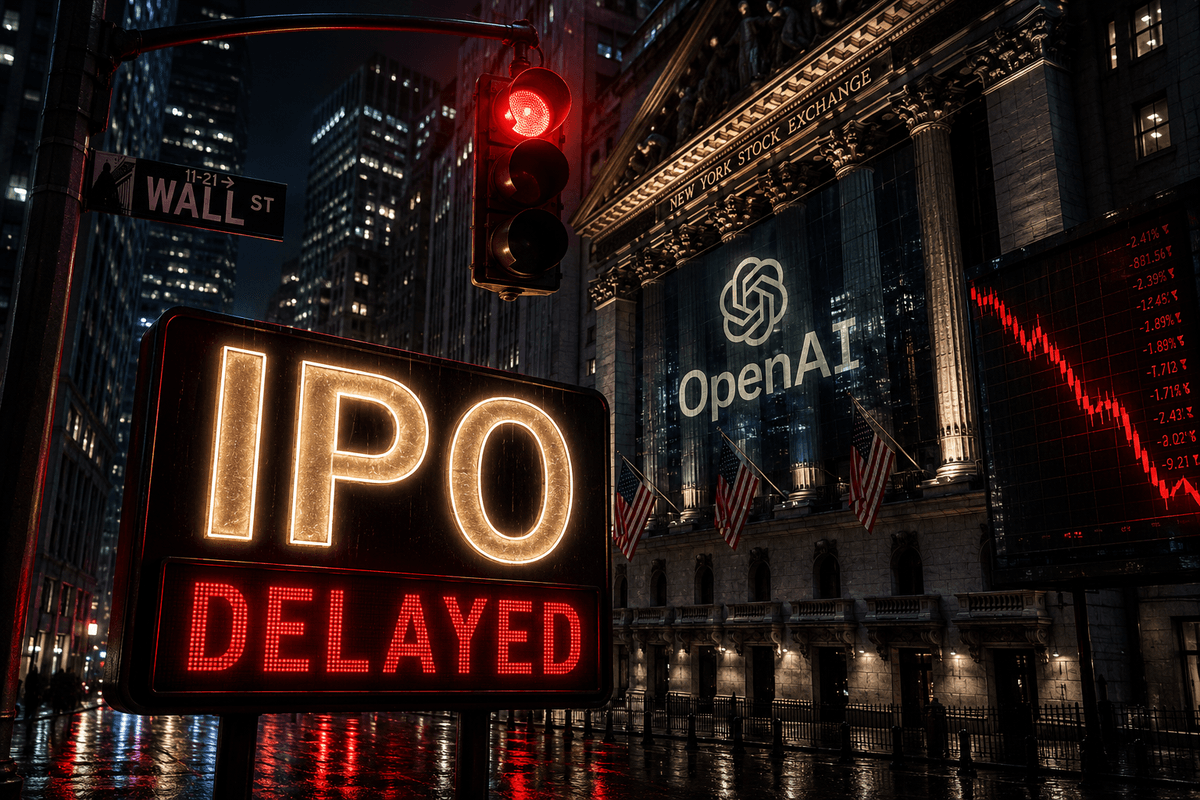
Adding fuel to the hype, the Wall Street Journal reported on Wednesday that OpenAI has pledged $300B over five years to use Oracle’s data centers. If accurate, this suggests Oracle’s long-term growth story may rest on one customer whose ability to pay remains uncertain.
Oracle may no longer be just a database and enterprise software company. The size and structure of its contracts suggest it is transforming into a tier-one AI infrastructure provider.
But that shift raises questions:
The answers to these questions will determine whether Oracle truly becomes an AI giant — or whether it’s overexposed to a single moonshot bet.
Oracle’s stock has momentum, fueled by investor excitement over record bookings and its potential role as a preferred AI infrastructure partner.
However, the lack of near-term revenue growth and heavy reliance on OpenAI introduces risks. Oracle could become a cloud powerhouse rivaling Microsoft and Amazon — or it could disappoint if these mega-deals fail to materialize as cash flows.
For risk-tolerant investors bullish on AI infrastructure, Oracle offers a long-term growth play. For more cautious investors, waiting for clearer revenue conversion may be the safer move.
Before making your decision, consider how Profit Pro can help you stay ahead:
Seize the opportunity to invest smarter — subscribe to Profit Pro today and turn innovation into success.
General Disclaimer
This content is for informational purposes only and does not constitute financial advice or a recommendation to buy or sell. Investments carry risks, including the potential loss of capital. Past performance is not indicative of future results. Before making investment decisions, consider your financial objectives or consult a qualified financial advisor.
Nope
Sort of
Good