Nasdaq Worst Week Since June: AI Debt Fear Meets Biggest Earnings Week of Q3
октября 19

AI stocks now make up roughly half the S&P 500. The biggest risk isn't whether AI works. It's that the entire spending chain, from Nvidia to the cloud giants, depends on two cash-burning customers. Several classic bubble signals are flashing. Here's how to read them, what could turn a correction into a crash, and what it means for your portfolio.
The AI trade is no longer a sector. It is the market. Tech's 39.4% weight in the S&P 500 is a record, and the index now moves almost in lockstep with the Nasdaq-100: their 12-month correlation hit 0.98 in March 2026.
Add the companies that sell power, cooling, construction and financing to the buildout, and very little of the index is untouched. Healthcare and consumer staples are among the few large sectors with little direct AI exposure.
Spending matches the valuations. The four largest hyperscalers plan roughly $725B of capital expenditure in 2026, and Alphabet alone guided up to $190B.
Think of the AI buildout as a single supply chain. At the top, Nvidia sells chips. Its biggest buyers are the hyperscalers — Microsoft, Amazon, Google, plus Oracle and Meta. And the hyperscalers' biggest AI customers are, overwhelmingly, two cash-burning labs.
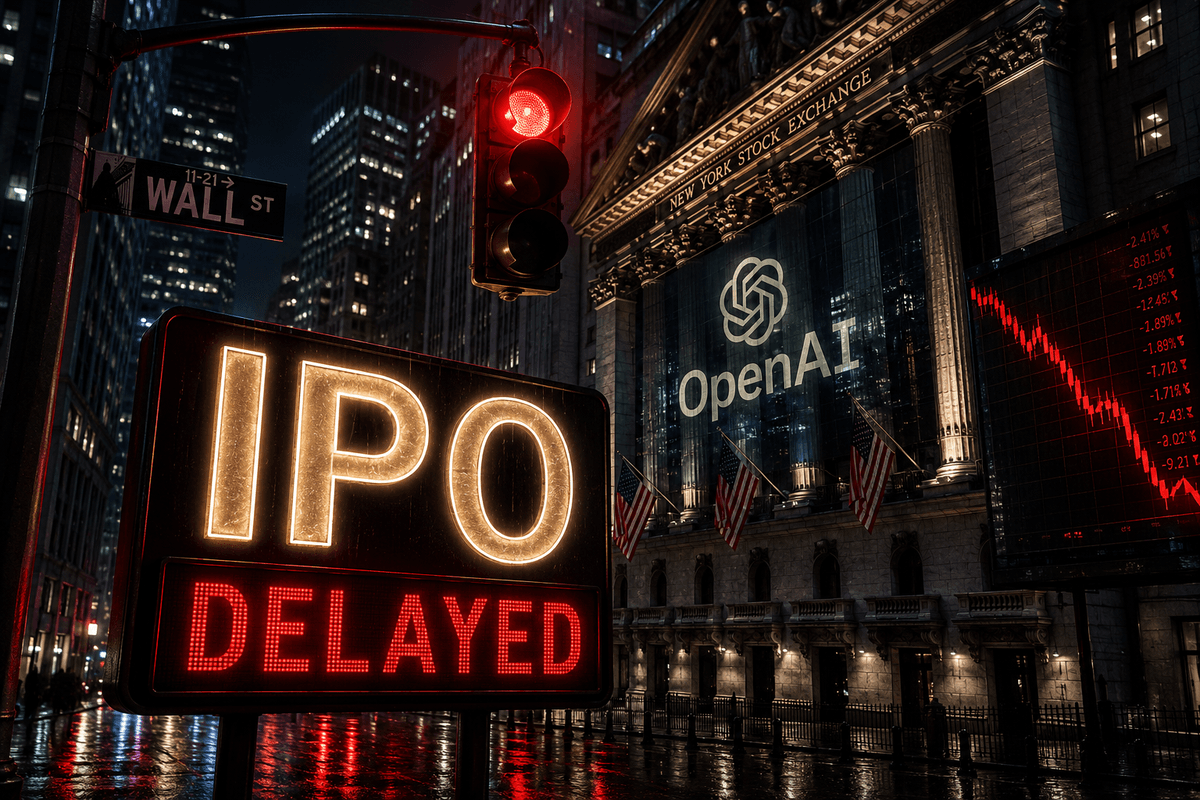
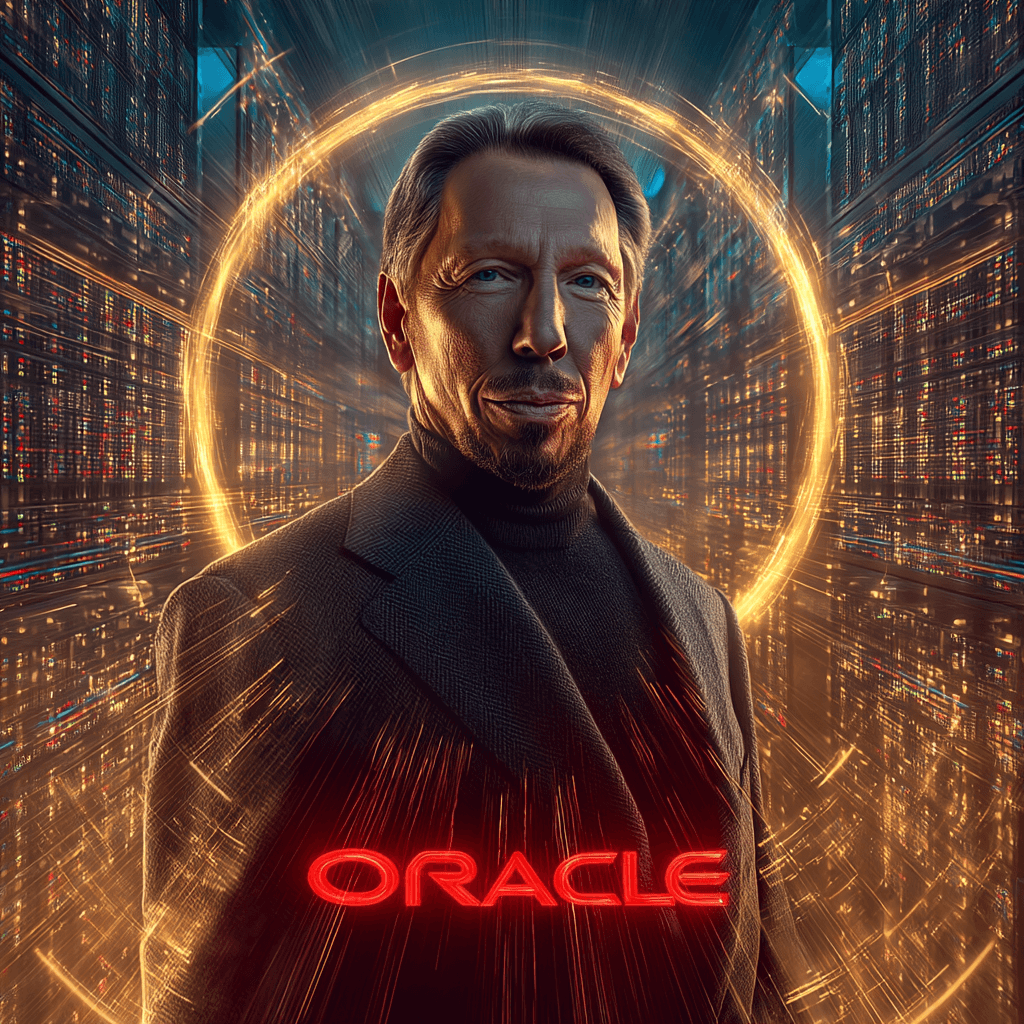
That makes Anthropic and OpenAI what a credit analyst calls concentration risk: if one customer stops paying, everyone upstream feels it. Oracle is the clearest example. Its backlog is roughly $664B, and a rating-agency estimate puts about half of it with OpenAI. Oracle's stock is down roughly 44% over the past year as the market has repriced that dependence.

Key Risk: The AI trade is no longer just a bet on technology. It is a bet that two loss-making companies keep raising capital and honouring roughly $1 trillion each in commitments. If either lab failed, chip orders and data-center construction would stop, and with AI spending now a major driver of US growth, the US could tip into recession. This is a scenario, not a prediction.
The filing gives retail investors their first audited look inside a frontier AI lab:

The bull reading: demand is so strong Anthropic had to buy capacity at a premium.
The bear reading: growth is slowing just as fixed commitments balloon.
Bubbles rarely pop because a technology fails. They pop when the money funding it runs out or gets too expensive. Here is how today's signals score.

"The question isn't whether AI is real. It's whether the spending is paid for."
The better comparison is the dot-com bubble, not the financial crisis.
Here is how the last two bubbles played out, and where the AI boom stands so far:


Scenario 1 : Soft landing
Data-center construction slows 10–20% because of power limits, permits and costlier debt. Counter-intuitively, this helps the mega-caps: lower capex could return Alphabet, Amazon and Microsoft to positive free cash flow and reduce their dependence on bond markets. Expect rotation and volatility, not collapse.
Scenario 2: Hard stop
A major AI lab cannot raise its next round. Its commitments to cloud providers go unpaid, chip orders stall, and capex is cut sharply across the chain. With AI capex a major driver of US growth, a recession becomes likely. Watch funding news on OpenAI and whether Anthropic's shares hold their $83 IPO price.
Scenario 3: Melt-up continues
Anthropic's shares reclaim their debut highs, Q4 capex guidance rises again and credit spreads tighten. The bubble inflates further before any reckoning.
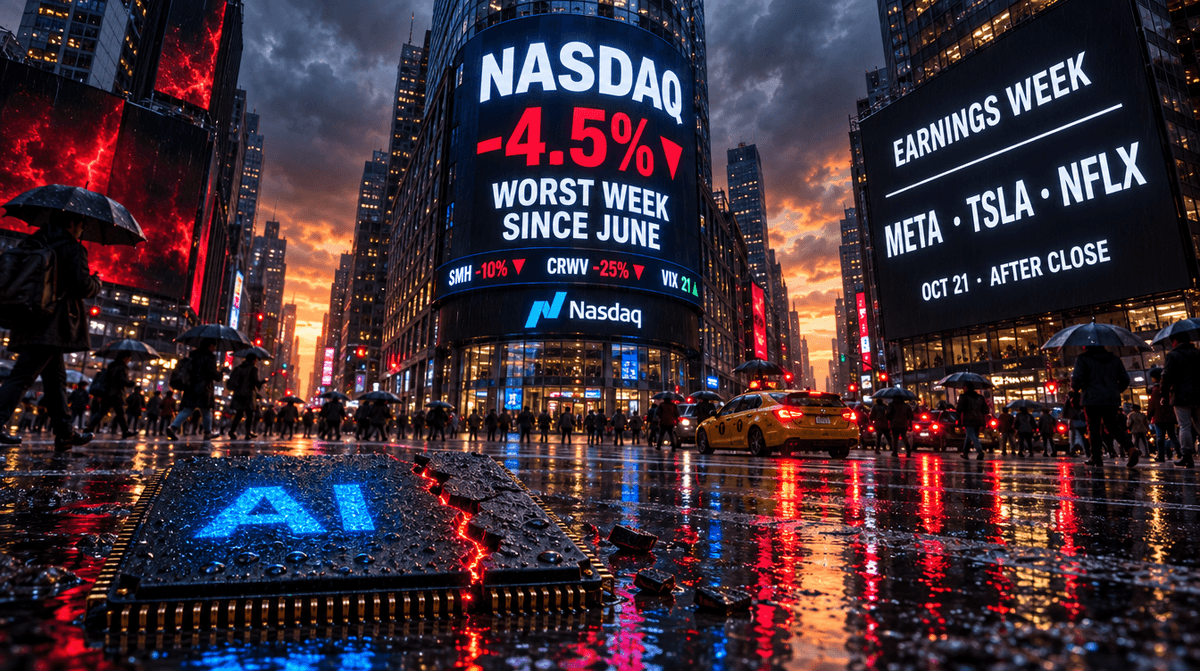
The market is already wobbling. The Nasdaq fell 11% below its all-time high after the midterms, and roughly $2.5 trillion in market value was wiped out in the days after the vote. The early warning to watch is credit: spreads on AI-linked debt, because bond markets usually turn before stock markets do.
Track the AI trade before the next move.
Общие положения
Данная информация представлена исключительно в информационных целях и не является финансовой консультацией или рекомендацией к покупке или продаже. Инвестиции связаны с рисками, включая возможную потерю капитала. Прошлые результаты не являются показателем будущих достижений. Перед принятием инвестиционных решений учитывайте свои финансовые цели или проконсультируйтесь с квалифицированным финансовым консультантом.
Нет
Неочень
Отлично