September Jobs: 29K vs 84K Expected. Fed Hike Still On?
October 02

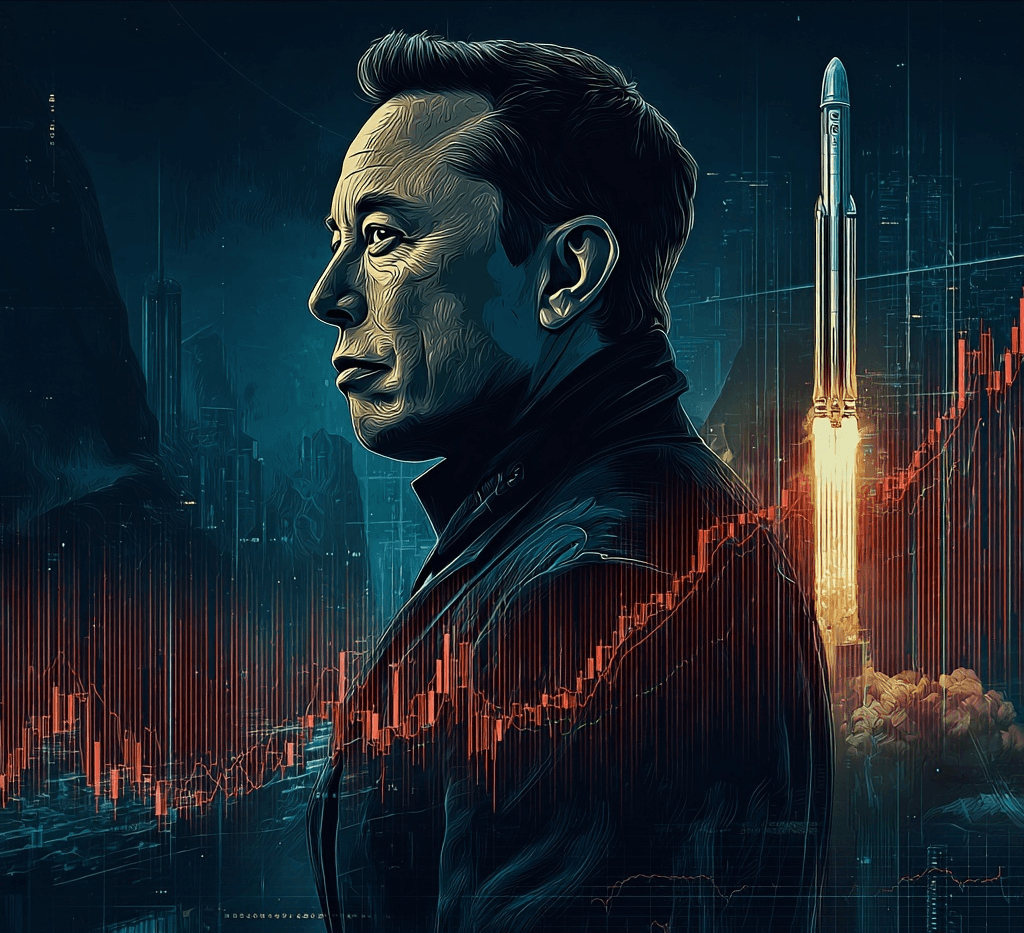
SPCX closed at $160.95 on its first trading day — up 19% from a $135 IPO price, instantly valued above $2 trillion. The day went well. What comes next is more complicated: MSCI inclusion begins Monday, a Fed decision lands June 17, and most retail buyers still don't understand what they actually own.
SPCX opened at $150 after a 30-minute delayed start, surged to an intraday high of $176.52, pulled back, and closed at $160.95 — a clean 19% first-day gain on the $135 IPO price. After-hours trading added another 3.6% to $166.76 with roughly 16 million shares changing hands post-close. The Dow rose 0.70% to 51,202, the S&P 500 gained 0.50% to 7,431, and the Nasdaq added 0.31% to 25,888 — SPCX's debut combined with US–Iran peace deal progress drove broad market optimism. The IPO raised $75 billion at a $1.75 trillion valuation, shattering Saudi Aramco's 2019 record of ~$26 billion. The human moment: Elon Musk rang the opening bell from SpaceX's Starbase headquarters in Texas, admitting he once gave the company less than 10% odds of surviving at all.
SpaceX is not one company at one valuation. It is three businesses at three different stages of maturity — priced as if all three execute flawlessly, in the most inflationary macro environment in three years, five days before a Fed meeting where a rate hike is live. Starlink is the reason to own it: $11.4B in 2025 revenue, 63% EBITDA margin, 10.3 million subscribers growing at 750,000–1.5 million per month — one of the most profitable technology businesses on earth. Rockets are roughly breakeven, valuable as a competitive moat. xAI is the wildcard: $6.4B in operating losses in 2025 and $7.7 billion in capex in Q1 2026 alone, funded entirely by Starlink cash flows. Between the start of 2025 and March 2026, SpaceX lost $8.7 billion in total. The GAAP losses retail buyers are reading in headlines are almost entirely an xAI story.
The competitor bloodbath was the clearest signal of how the market is reading the IPO: capital did not flow into the space sector broadly — it concentrated into SPCX and abandoned everything else. RKLB fell 11%, ASTS 16%, SPCE 32%. This is a winner-takes-most dynamic, not a rising tide. For traders buying SPCX above $160, the question is whether they are buying a $2 trillion valuation on a company that lost $8.7 billion in 15 months — or buying the only profitable satellite business in the world plus a call option on the AI infrastructure buildout that Jensen Huang called inevitable last week.
Key Risk: With only a 4% public float, 16 million shares traded after hours at $166.76 — a 3.6% after-hours move on relatively thin volume. If Warsh hikes on June 17, SPCX's 110× trailing revenue multiple faces immediate compression. Average analyst price target: $139.33 — 13% below close, and that's from the bulls.
Day one is done. The next five trading days — MSCI buying Monday, Fed decision Tuesday — are where the real positioning happens.
Three businesses. One ticker. Five days until the Fed. Profit Pro keeps you ready for every move.
General Disclaimer
This content is for informational purposes only and does not constitute financial advice or a recommendation to buy or sell. Investments carry risks, including the potential loss of capital. Past performance is not indicative of future results. Before making investment decisions, consider your financial objectives or consult a qualified financial advisor.
Nope
Sort of
Good