September Jobs: 29K vs 84K Expected. Fed Hike Still On?
tháng 10 02

Today marks the end of the best quarter for US stocks in six years. Q2 earnings growth is estimated at 23.1% — well above the 18.8% forecast at quarter-start. Banks report first on July 14. The bar is high, guidance matters more than the beat, and three sectors will decide whether this rally has legs through year-end.
Q2 2026 closes with the S&P 500 up 14.9% — its best quarter since 2020 — despite an Iran war, a Fed chair transition, and a brutal final two weeks for mega-cap tech. According to FactSet's Q2 Earnings Insight published today, analysts estimate Q2 earnings growth at 23.1% year-over-year, revised up from 18.8% at the start of the quarter. That is the critical detail: estimates rose as the quarter progressed. Revenue growth is estimated at 12.3%, the highest since Q2 2022. Net profit margin is projected at 14.2% — the second-highest on record since FactSet began tracking in 2009, behind only Q1 2026's 14.8%. Of 111 companies that issued Q2 guidance, 70% gave positive EPS guidance — vs a 5-year average of 41%. Analysts forecast Q3 growth of 26.7% and Q4 growth of 24.3%. Season opens on July 14 with JPMorgan, Goldman Sachs, Bank of America, and Citigroup.


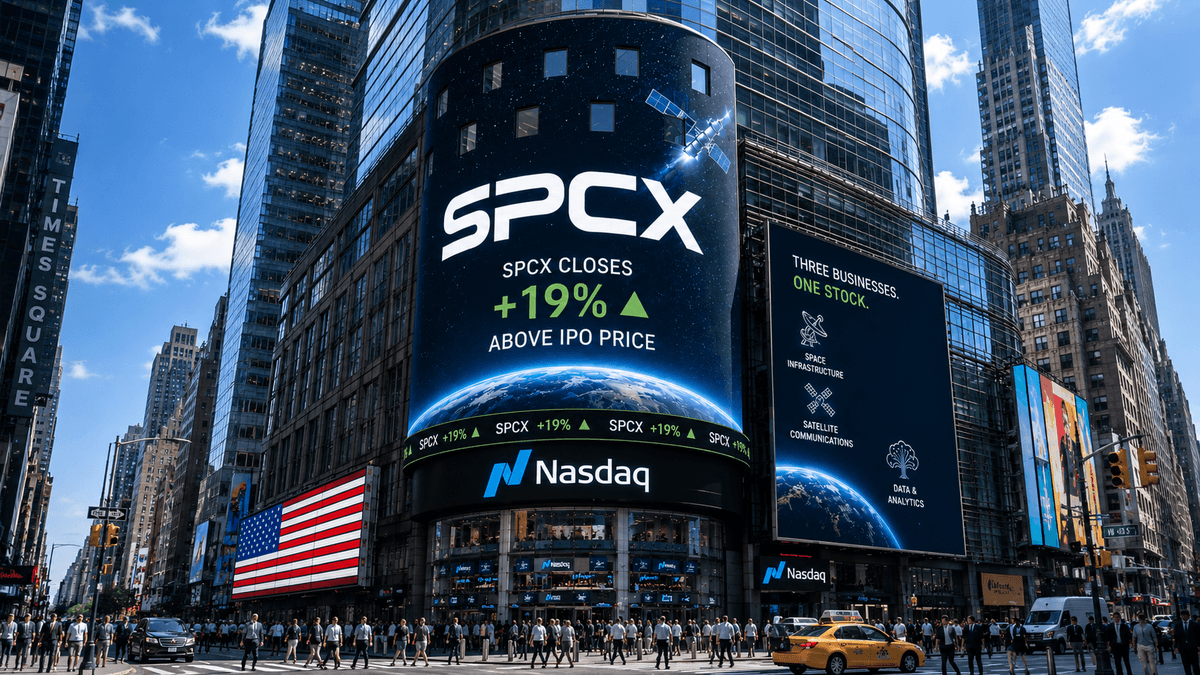
When earnings estimates rise during a quarter rather than fall, it means the fundamental backdrop genuinely improved in real time. That is what happened in Q2: despite the Iran conflict, Warsh's hawkish dot plot, and SPCX's post-IPO volatility, corporate America kept upgrading its own outlook. The 70% positive guidance rate — nearly double historical average — tells you management teams believe H2 is stronger, not weaker. The S&P 500's 14.9% Q2 gain is not a sentiment rally. It has a fundamental anchor.
The setup going into July 14 is asymmetric. With 23.1% earnings growth already expected, companies need to beat and raise guidance to move their stocks higher. A report of 23% growth in line with estimates and flat guidance will likely trade lower — the market will read it as the peak. Three sectors matter most: Financials (banks report first; the Warsh rate regime is a direct NII tailwind), Information Technology (44 of 63 positive guidance issuers; AI capex-to-revenue conversion is the key question), and Energy (largest dollar earnings revision upward this quarter, but oil near $70 means Q3 faces a tougher comparison).
Q2 earnings season opens with the highest bar in years. The companies that clear it easily and raise guidance will lead H2. The ones that merely meet expectations will be sold. In a 23% growth environment, "in line" is the new miss.
One structural concern: while the S&P 500 gained 9.5% in H1, 38% of its members declined. Seventeen of the 20 best-performing S&P 500 stocks were in information technology. Narrow leadership powered a wide index. If Q2 season delivers broad beats across sectors — not just tech — that 38% decliner cohort is the single biggest catch-up opportunity of the year. If only tech beats again, the breadth problem deepens and the rally grows more fragile.
Key Risk: The forward consensus calls for Q3 growth of 26.7% and Q4 of 24.3% — accelerating further at a time when Warsh's dot plot projects a rate hike, oil is falling (headwind for energy earnings), and AI capex-to-revenue conversion hasn't been proven at scale. If even one pillar cracks during Q2 season, the H2 consensus model needs a full reset and the market reprices sharply.
Season opens in two weeks. The companies that beat and raise will lead H2. Here's how to identify them before they report.
The best quarter in six years just ended. Q2 earnings season decides whether H2 earns it. Profit Pro keeps you positioned for every report.
Miễn trừ trách nhiệm chung
Nội dung này chỉ nhằm mục đích cung cấp thông tin và không cấu thành lời khuyên tài chính hoặc khuyến nghị mua hoặc bán. Đầu tư có rủi ro, bao gồm khả năng mất vốn. Hiệu suất trong quá khứ không phải là chỉ báo cho kết quả tương lai. Trước khi đưa ra quyết định đầu tư, hãy xem xét các mục tiêu tài chính của bạn hoặc tham khảo ý kiến chuyên gia tài chính đủ điều kiện.
Không
Có phần
Tốt